Understand the land
Start with a baseline.
Bring together the field’s history, soil and water conditions, cropping practices and the farmer’s priorities. Keep observations and assumptions separate.
Our approach
Our intended sequence is simple: understand the land, make a considered change, measure what happens and use that learning to decide what comes next.
Bring together the field’s history, soil and water conditions, cropping practices and the farmer’s priorities. Keep observations and assumptions separate.
Identify a practical problem and an intervention worth evaluating. Consider local suitability, cost, effort and possible trade-offs before deciding what to try.
Agree what to observe before a trial begins. Record the context, the actions taken, the resources used and the results over an appropriate period.
Consider land condition, crop performance and farmer economics together. Report uncertainties and unwanted effects as carefully as improvements.
Use the findings to refine, repeat or stop an approach. Wider adoption should follow relevant evidence and practical readiness.
A working principle
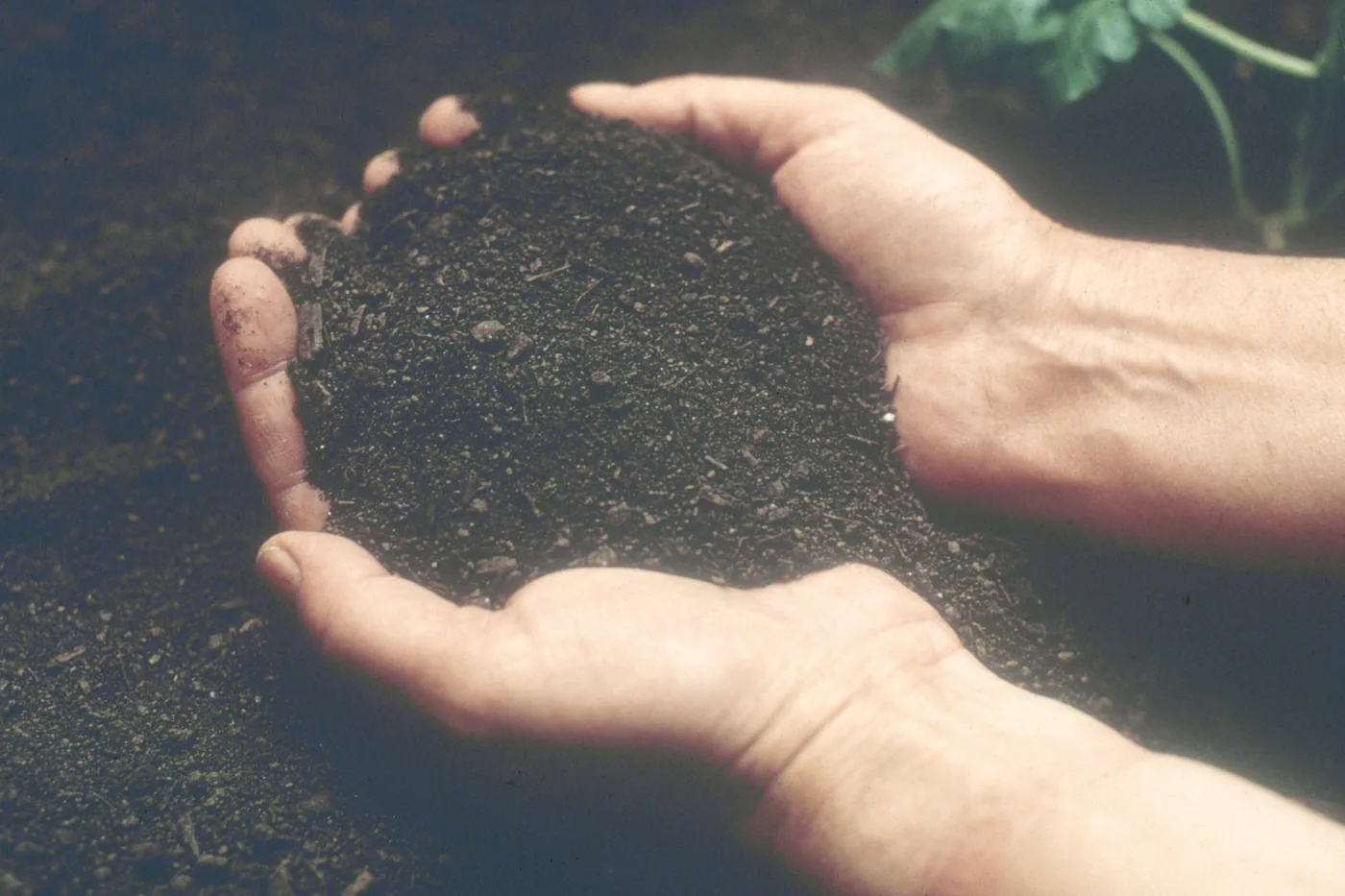
It is the foundation of AGLOUD’s approach. We intend to understand how soil, water, living systems and management choices interact in each field.
Decisions about inputs should follow evidence and local needs, with attention to both land health and farmer economics.
Explore land intelligenceGood work begins with listening
A field you know. A question you’re studying. A rural challenge worth understanding.
Let’s start a conversation